
A well-crafted digital marketing strategy is the engine that drives business growth in today's competitive landscape. But with so many channels and tactics available, where do you start? Here's a step-by-step framework to build a strategy that actually converts.
1. Define Your Goals and KPIs
Before spending a dime on marketing, get clear on what you want to achieve. Are you looking to increase brand awareness, generate leads, drive sales, or retain customers? Set SMART goals (Specific, Measurable, Achievable, Relevant, Time-bound) and identify the key performance indicators that will tell you if you're on track.
2. Understand Your Target Audience
Create detailed buyer personas that go beyond basic demographics. What are their pain points, goals, online behaviors, and preferred communication channels? Conduct surveys, analyze customer data, and monitor social conversations to truly understand who you're trying to reach.
3. Choose the Right Channels
You don't need to be everywhere—you need to be where your audience is. For B2B, LinkedIn and email marketing often perform best. For B2C, Instagram, TikTok, and Facebook may be more effective. Focus on 2-3 channels initially, master them, then expand.
4. Create Compelling Content
Content is the foundation of digital marketing. Develop a content mix that educates, entertains, and converts. Blog posts, videos, infographics, case studies, and social media updates should all align with your brand voice and address your audience's needs at each stage of the buyer's journey.
5. Leverage Paid Advertising Wisely
Paid ads can accelerate your results when done right. Start with a small budget to test different audiences, ad creatives, and messaging. Use retargeting to re-engage visitors who didn't convert and lookalike audiences to reach new prospects similar to your best customers.
6. Nurture Leads with Email Marketing
Email marketing continues to deliver one of the highest ROIs in digital marketing. Build your email list organically, segment subscribers based on behavior, and send personalized, value-driven campaigns. Automated drip sequences can guide prospects from awareness to purchase without manual effort.
7. Analyze, Optimize, Repeat
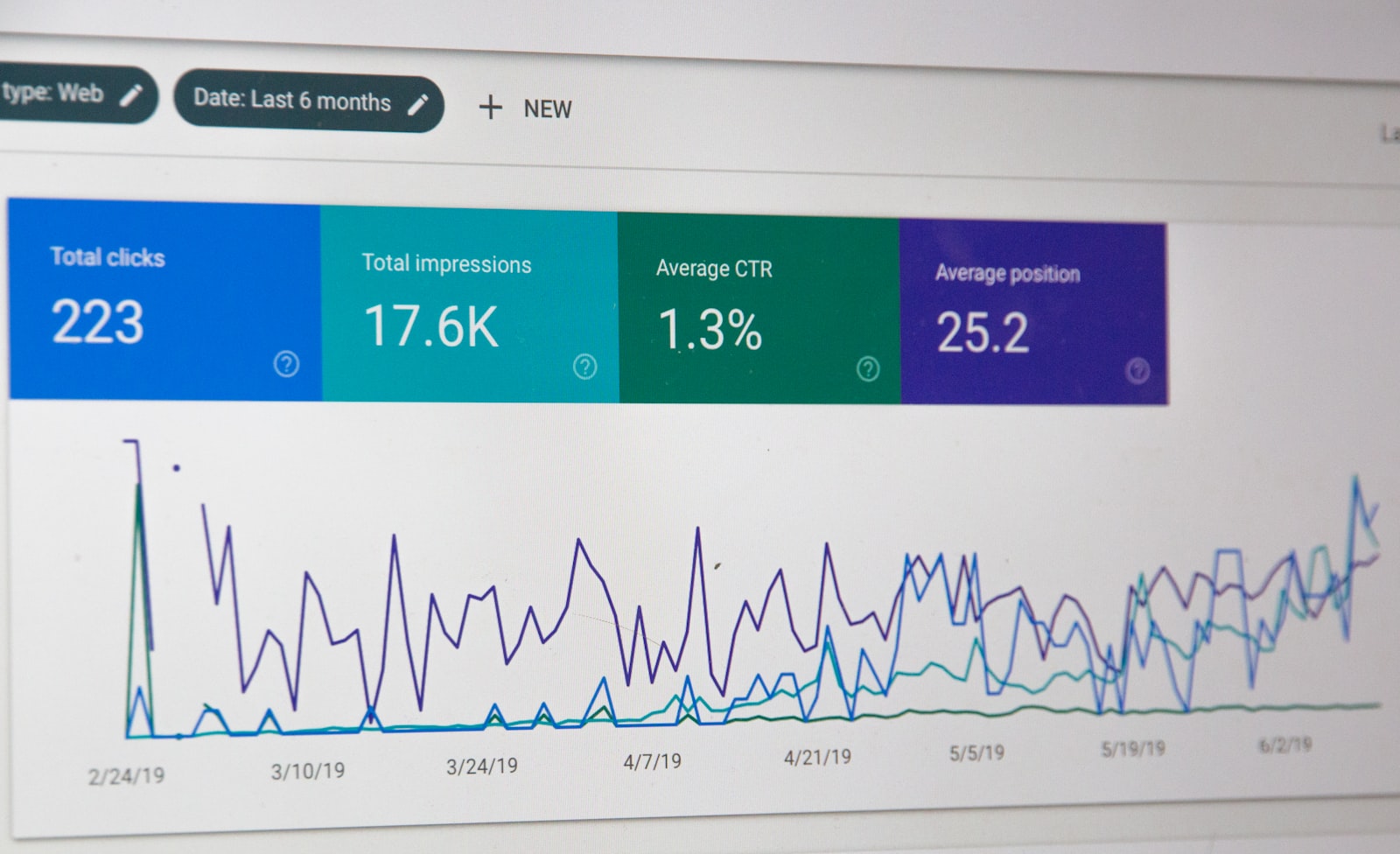
Digital marketing is an ongoing process of testing and refinement. Use analytics tools to track what's working and what isn't. A/B test your headlines, images, calls-to-action, and landing pages. Double down on what works and cut what doesn't.