
Search Engine Optimization (SEO) remains one of the most cost-effective ways for small businesses to attract organic traffic and grow their online presence. While the landscape constantly changes, the fundamentals remain rooted in providing value to users. Here's your complete guide to SEO best practices in 2026.
1. Start with Keyword Research
Understanding what your potential customers are searching for is the foundation of any successful SEO strategy. Use tools like Google Keyword Planner, Ahrefs, or SEMrush to identify relevant keywords with good search volume and manageable competition. Focus on long-tail keywords—they may have lower search volume but often convert better.
2. Optimize Your On-Page Elements
Each page on your website should have a unique title tag, meta description, and heading structure. Your target keyword should appear naturally in the H1, within the first 100 words of content, and in at least one H2. Use descriptive URLs with hyphens separating words, like yourwebsite.com/seo-tips.
3. Master Local SEO
For small businesses serving a specific area, local SEO is non-negotiable. Claim and optimize your Google Business Profile, ensure your NAP (Name, Address, Phone) information is consistent across the web, and encourage satisfied customers to leave Google reviews. Local citations from reputable directories also boost visibility.
4. Create High-Quality, Relevant Content
Content is still king. Regularly publish blog posts, guides, or case studies that address your audience's pain points. Google rewards websites that demonstrate expertise, authority, and trustworthiness (E-E-A-T). Aim for comprehensive content that covers topics in depth rather than thin, surface-level articles.
5. Technical SEO Fundamentals
Ensure your website is crawlable and indexable. Submit a sitemap to Google Search Console, use a robots.txt file properly, fix broken links, and implement structured data (schema markup) to help search engines understand your content. Page speed is critical—compress images, leverage browser caching, and use a content delivery network (CDN).
6. Build Quality Backlinks
Backlinks remain one of the top ranking factors. Focus on earning links from reputable, relevant websites through guest posting, partnerships, and creating shareable content. Avoid spammy link-building tactics that can result in penalties.
7. Track, Measure, and Adapt
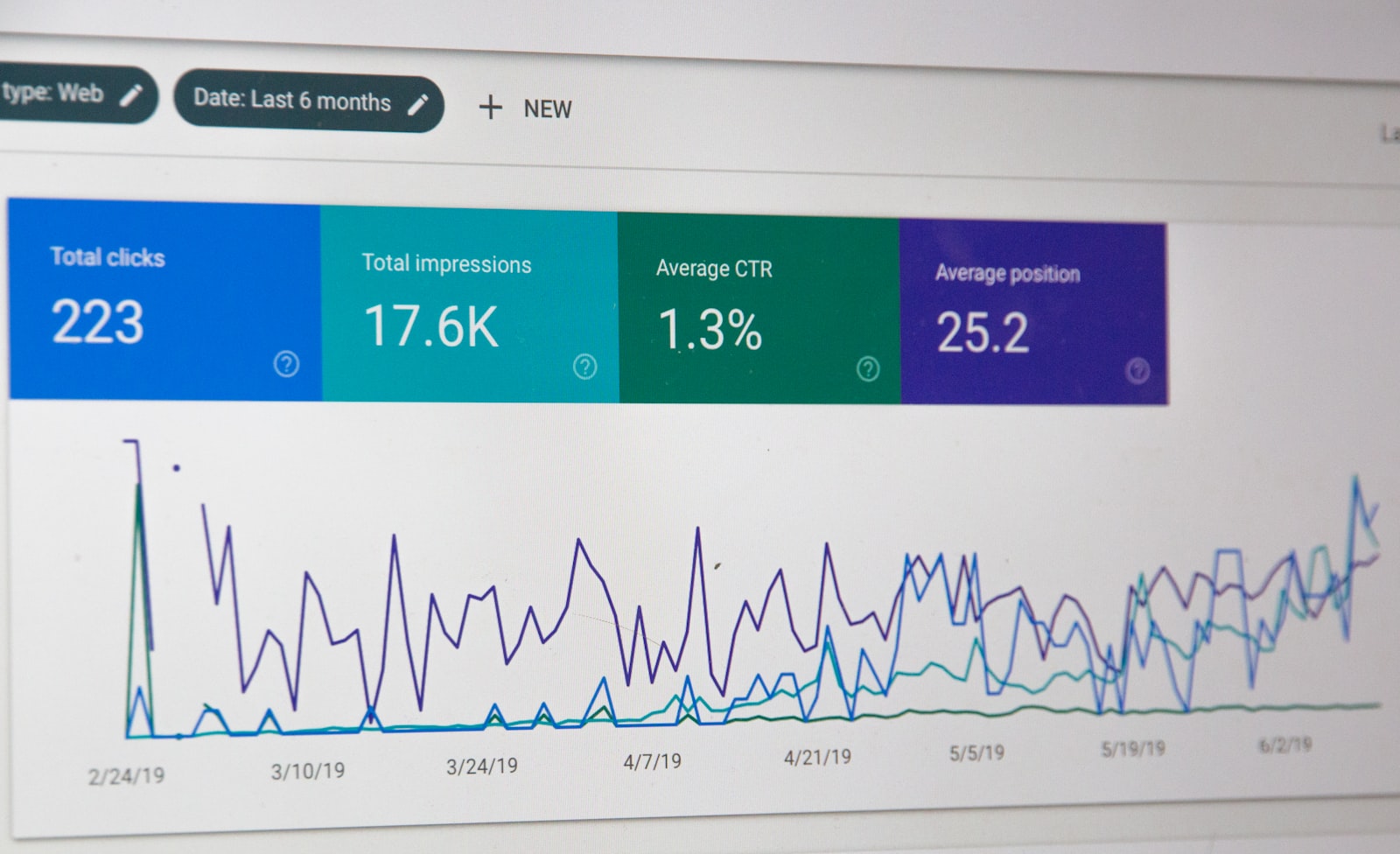
SEO is not a set-it-and-forget-it strategy. Use Google Analytics and Google Search Console to monitor your rankings, traffic, and user behavior. Regularly audit your website for technical issues and adjust your strategy based on data insights.